
The Monocle
Fri 15 - Sat 16 May, Various Times£12.50 – £25.00 full price | £10.00 – £22.50 concession
Running time: 90 minutes, including interval
Tickets & Times
| Fri 15 May | 7:30 pm |
BSLAD
|
{{spektrix_instance_id_321548AVQQTBKTPGGPBJCGCVBSKDNTPGP_status}} | |
| Sat 16 May | 2:30 pm |
BSLAD
|
{{spektrix_instance_id_321948ASHGHMNKCVNRBJDMMSKSJKMJLST_status}} | |
| Sat 16 May | 7:30 pm |
BSLAD
|
{{spektrix_instance_id_321748ARGJMDBGJSCHQMRPVGLTJRGLCJH_status}} |
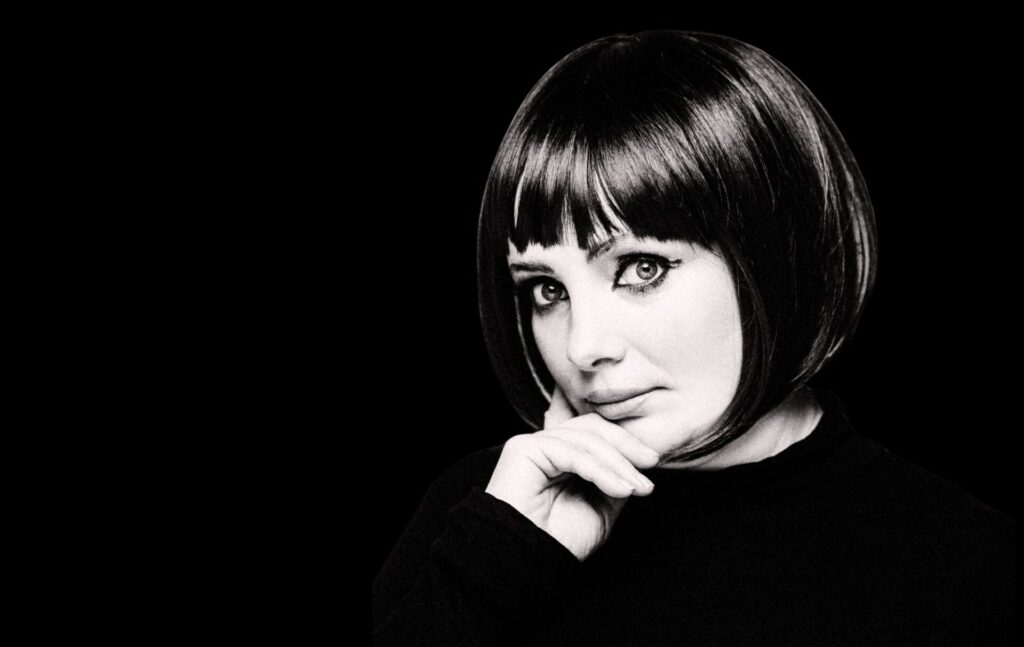
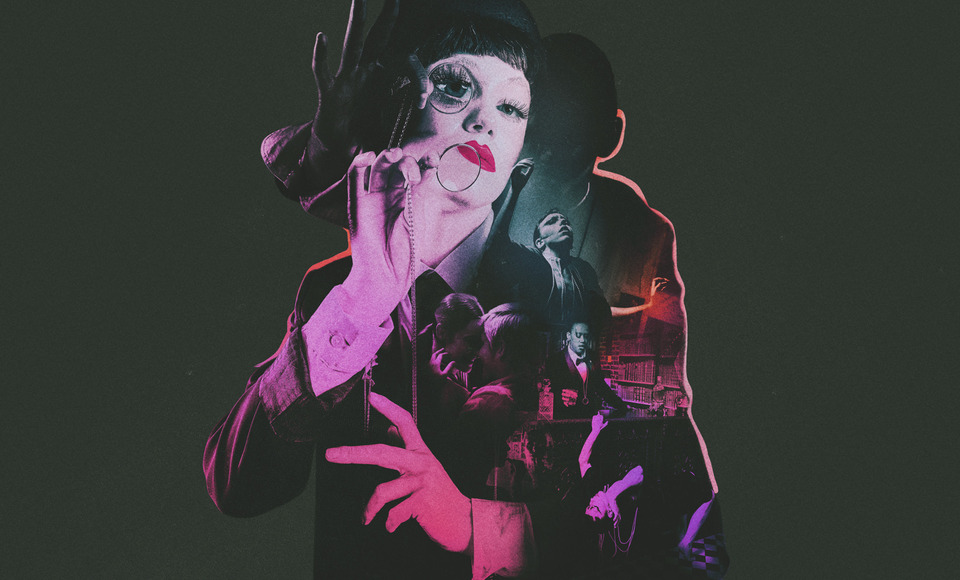
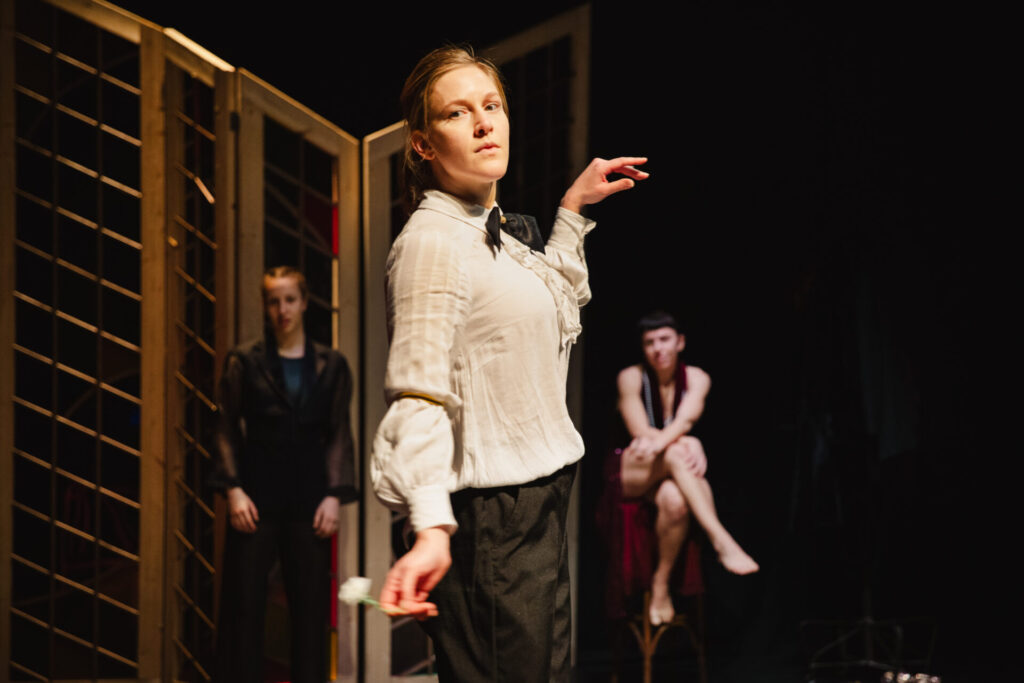
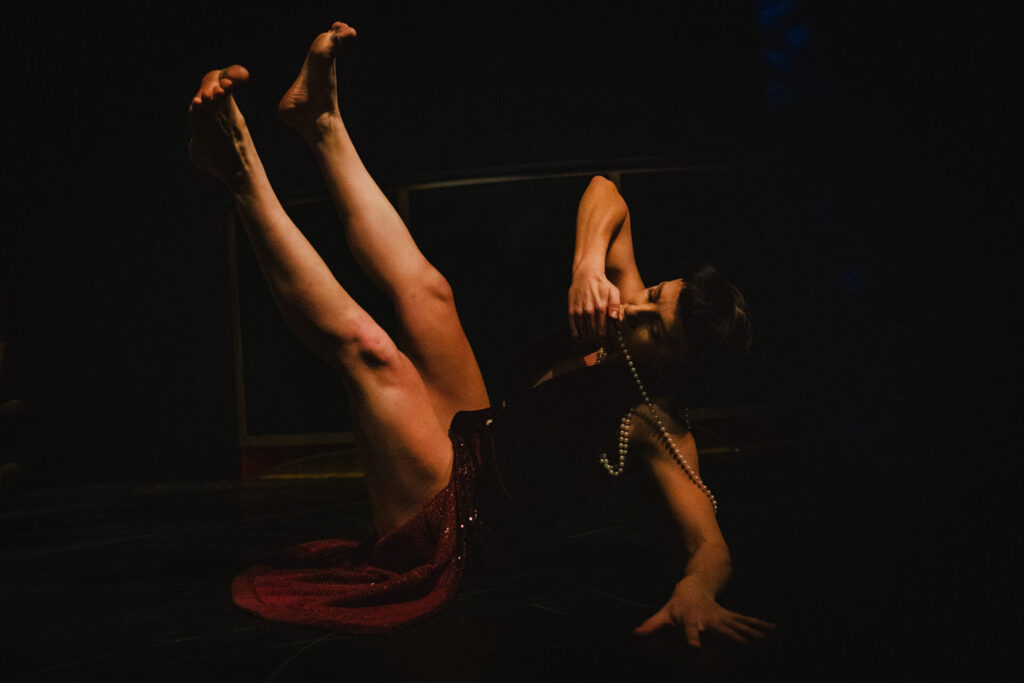
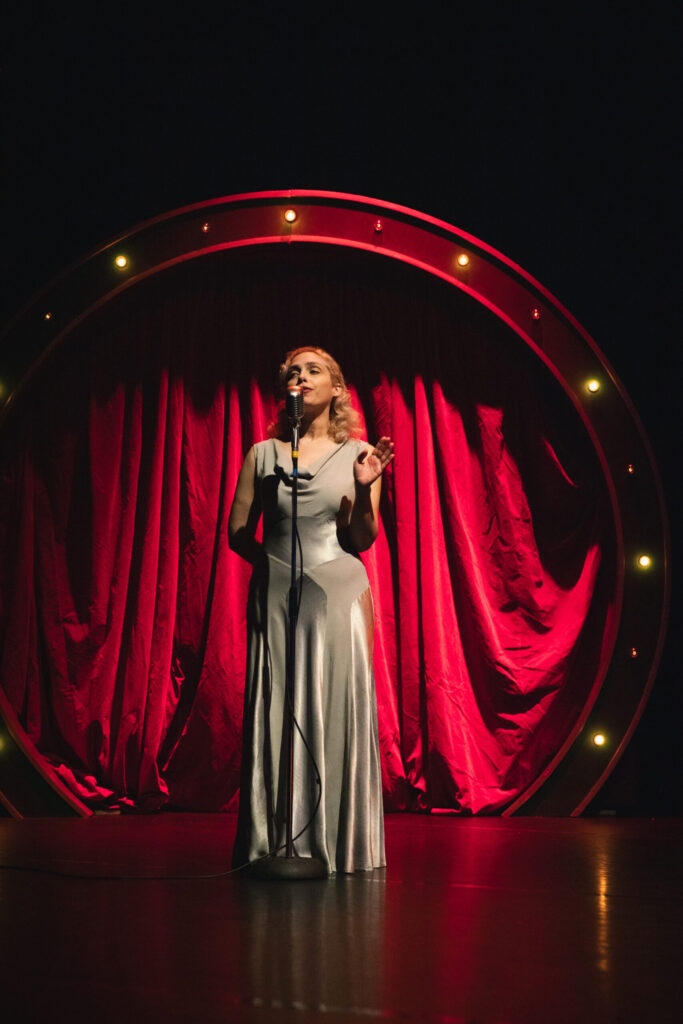
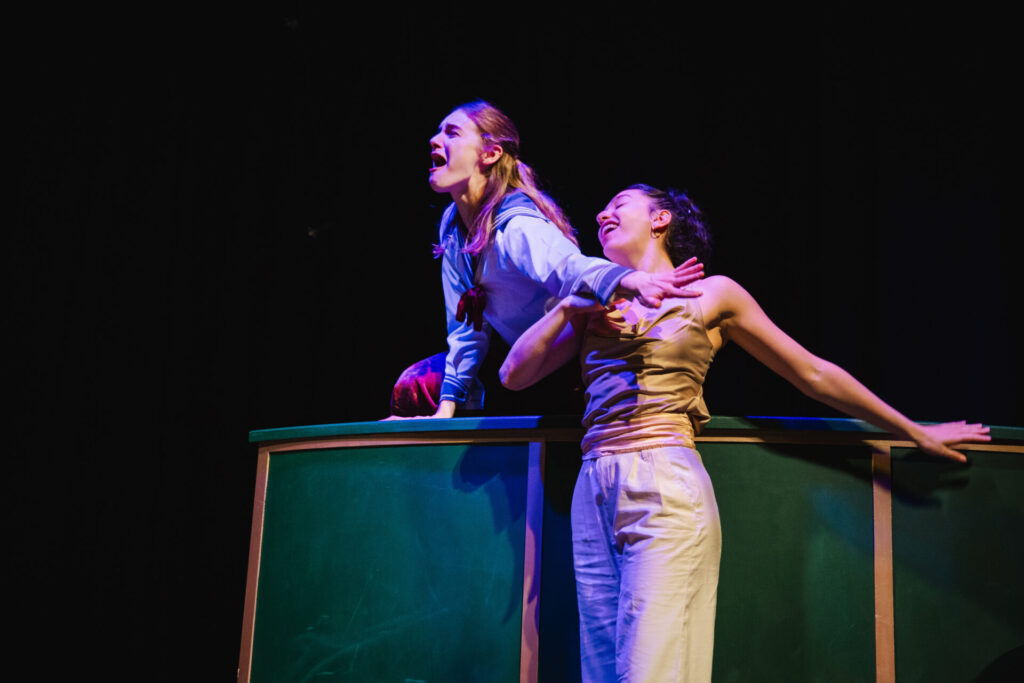
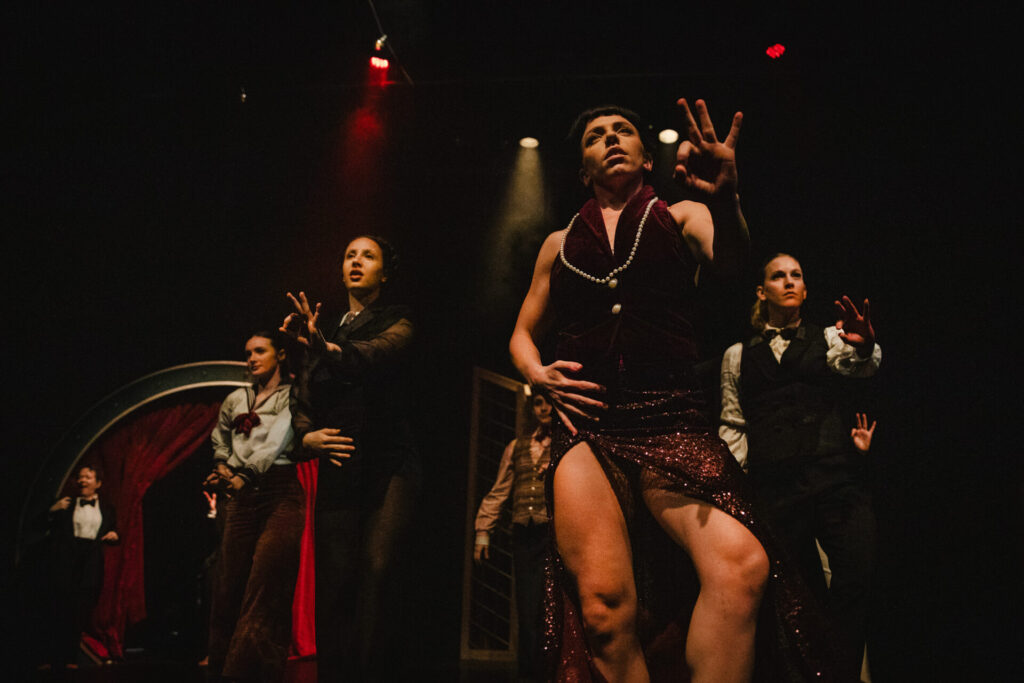
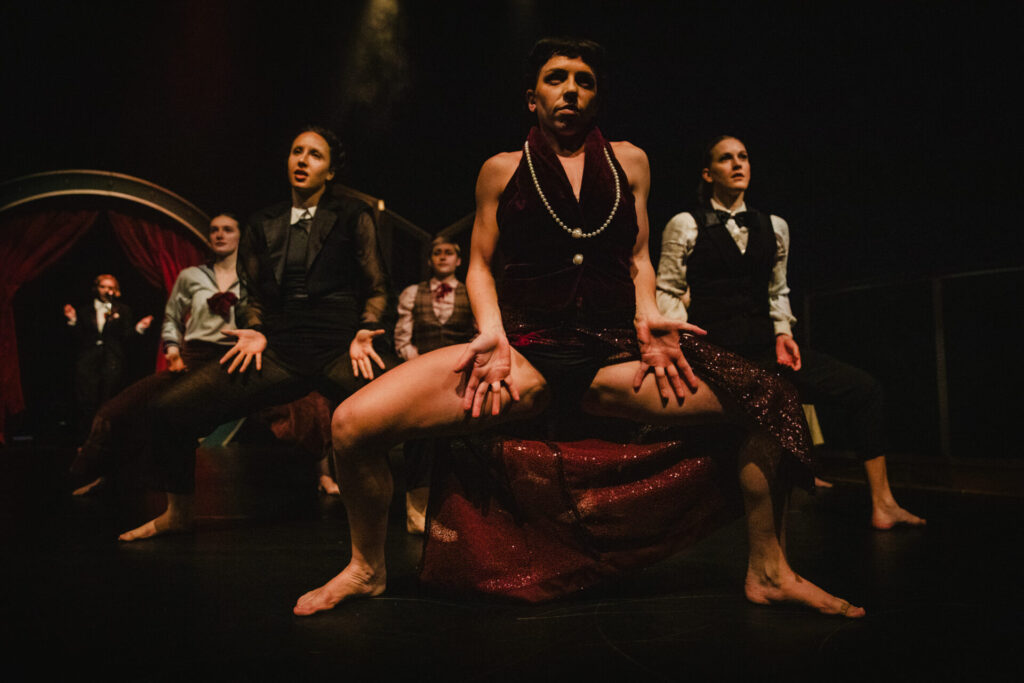
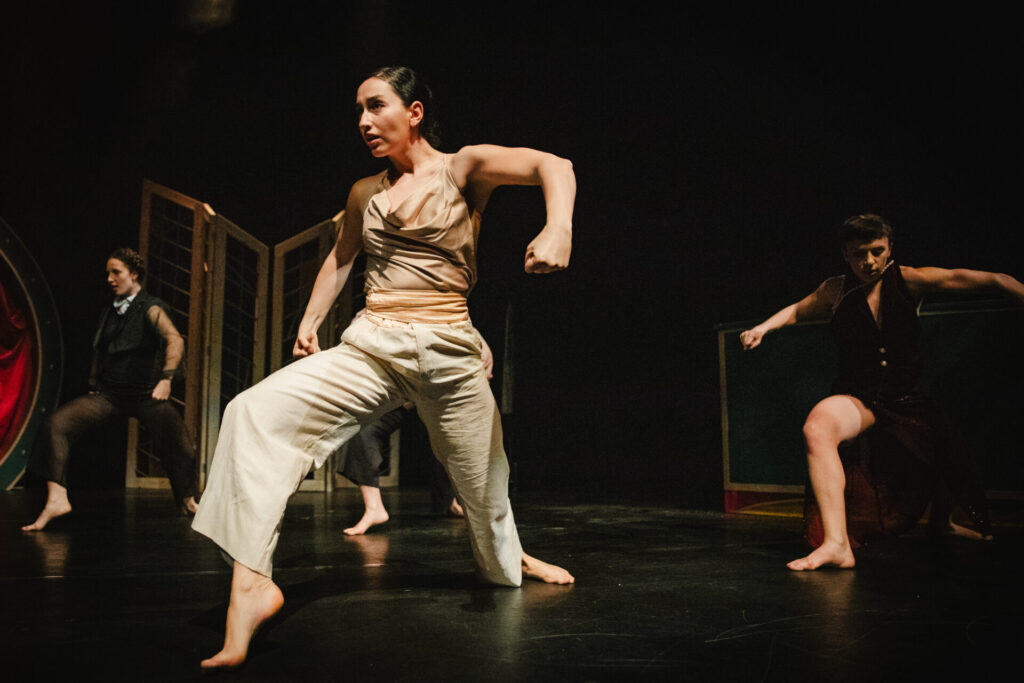
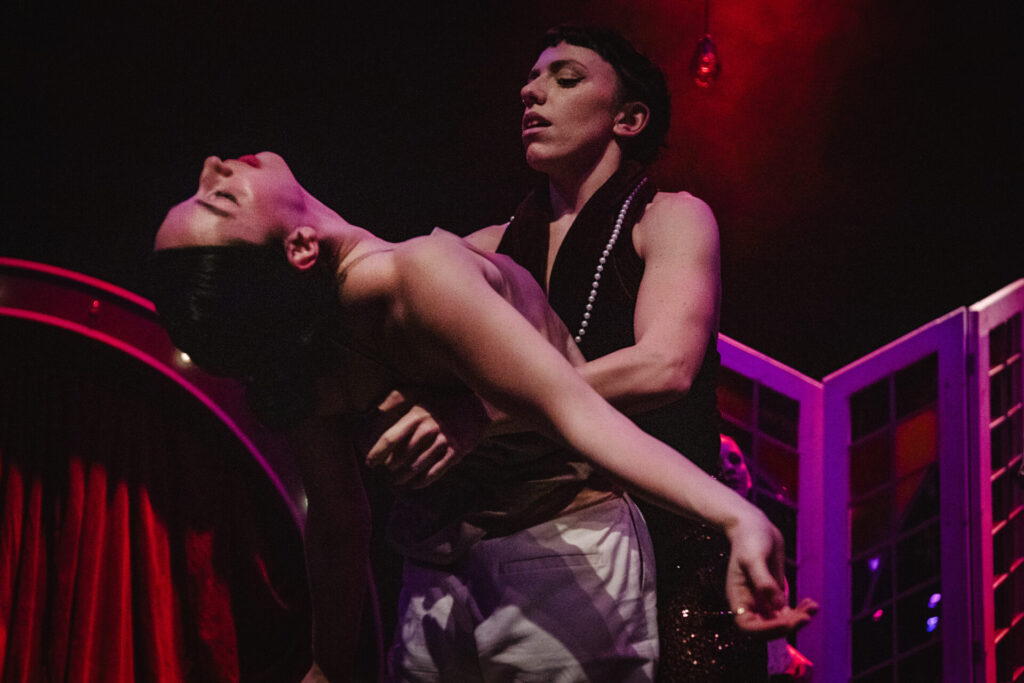
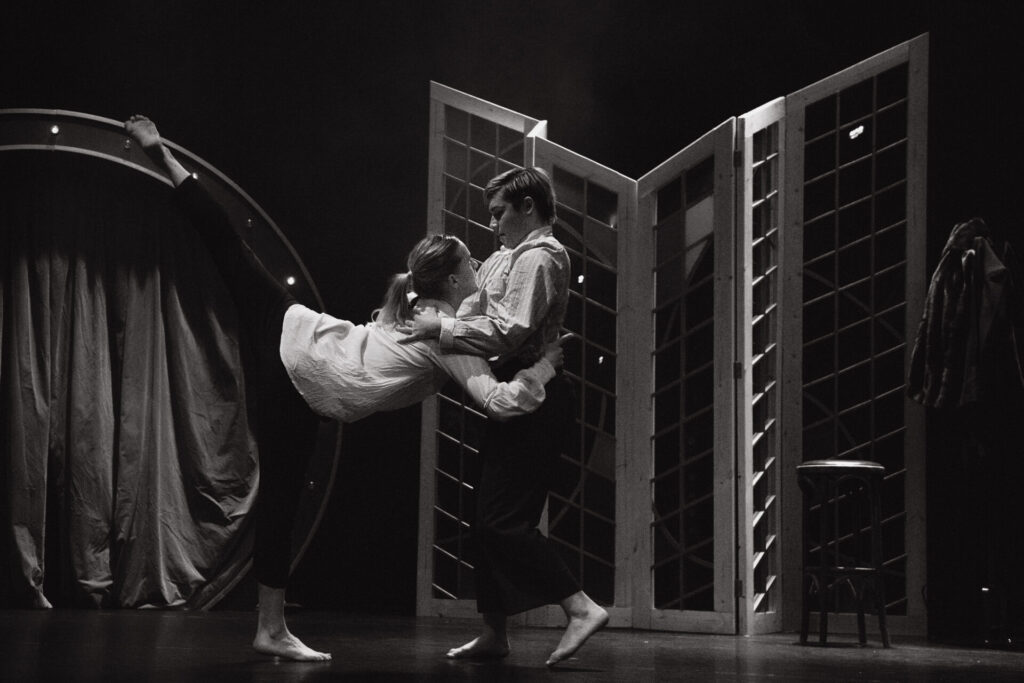
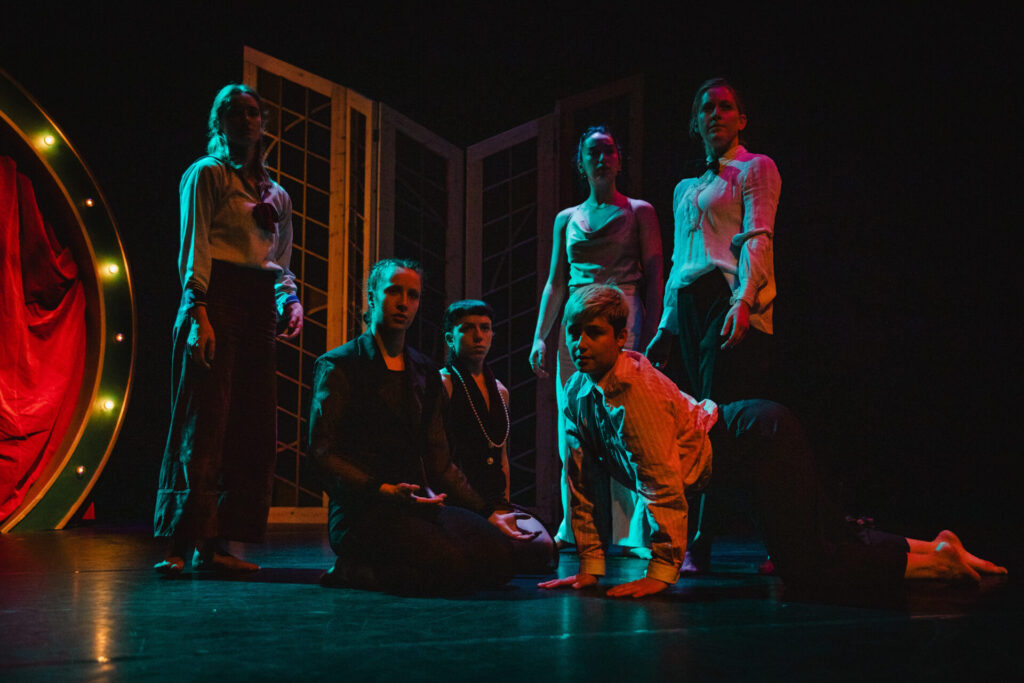
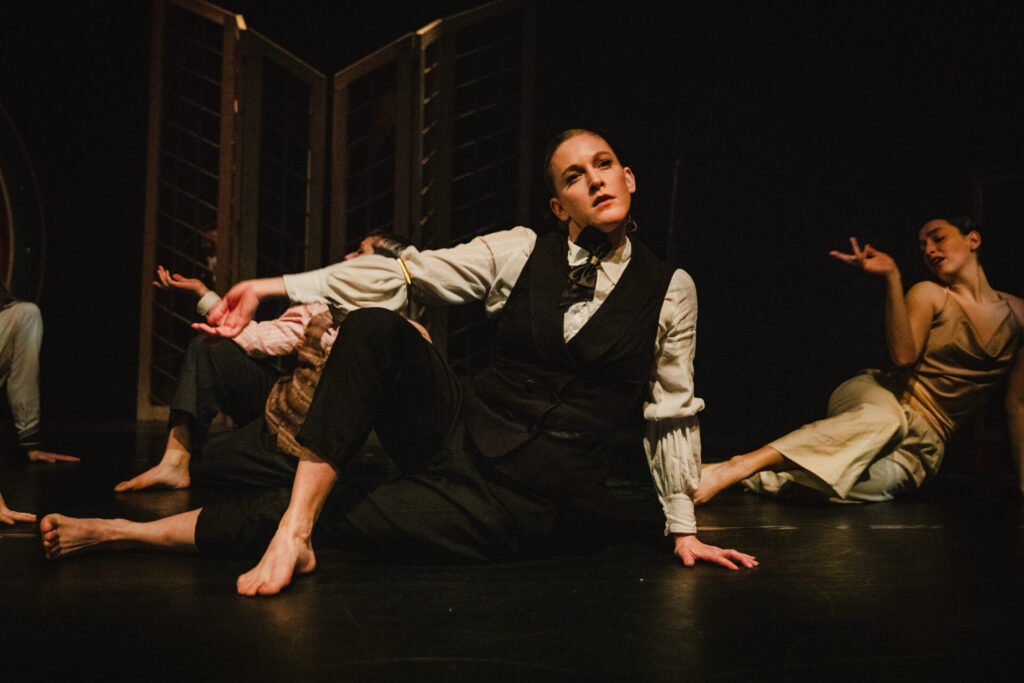
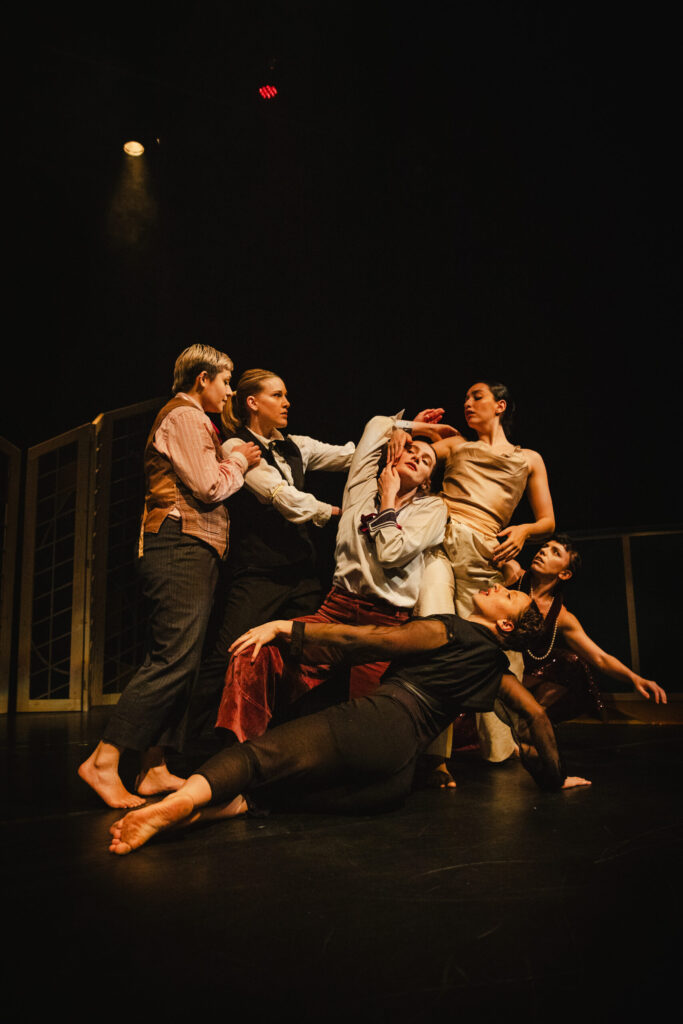
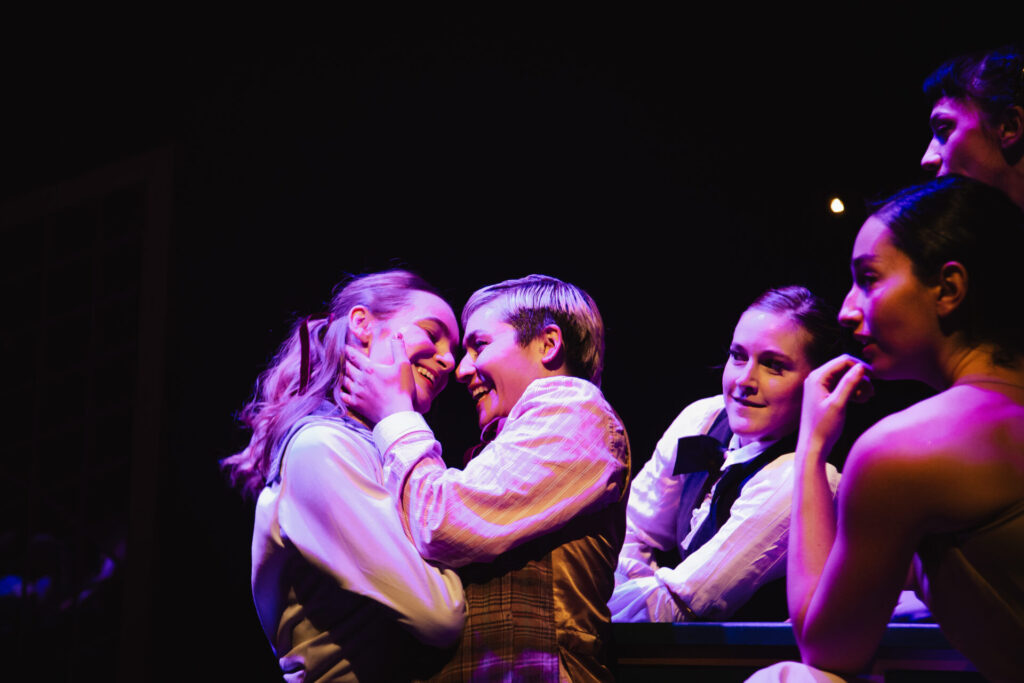
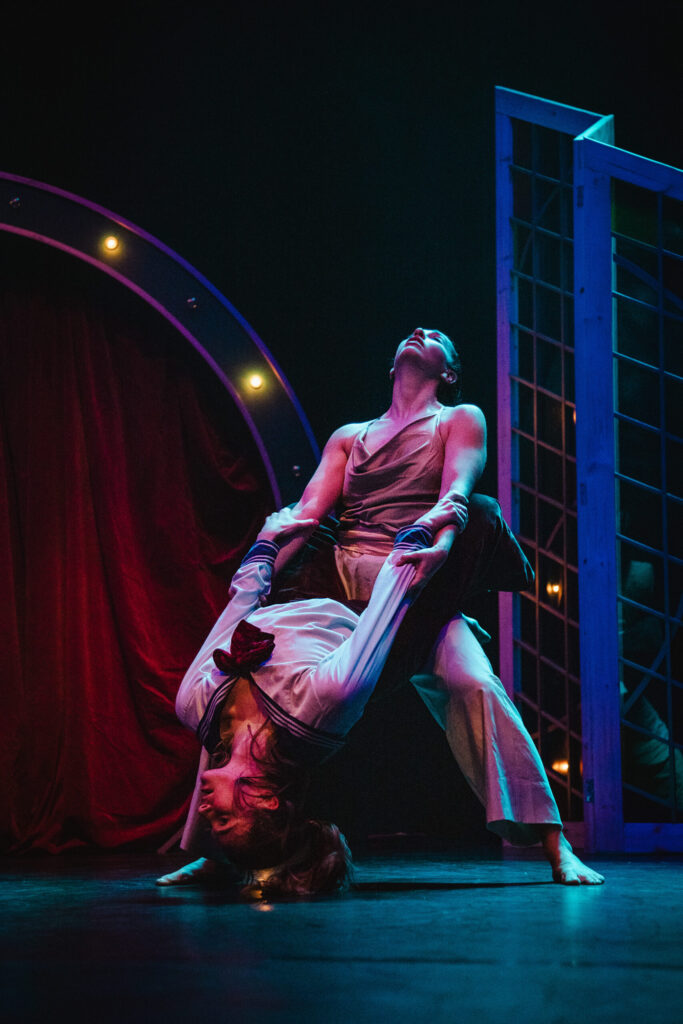
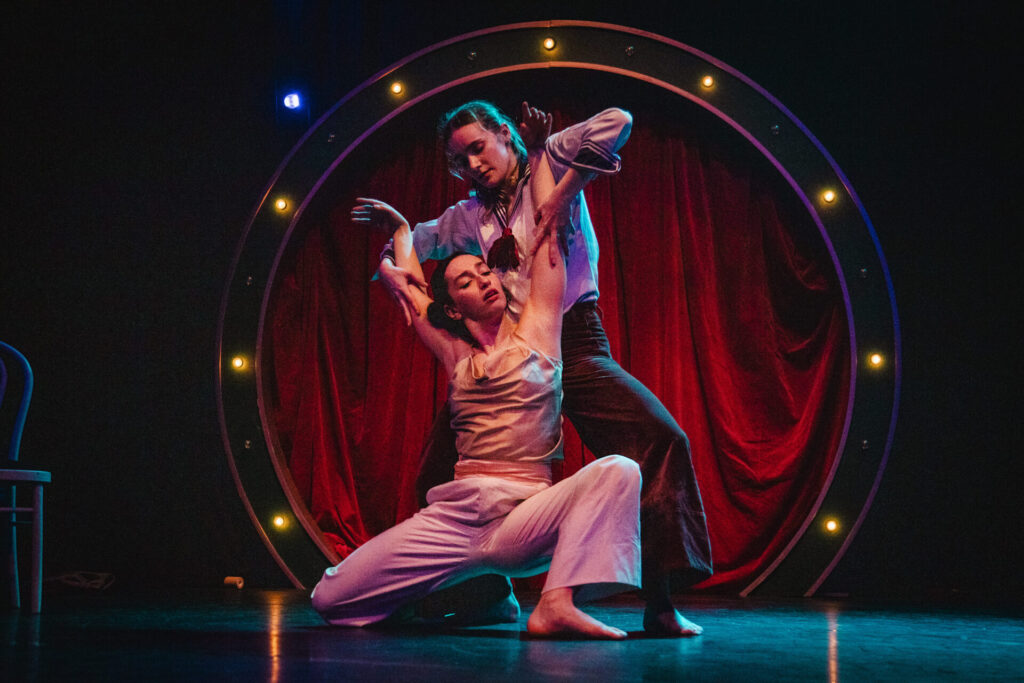
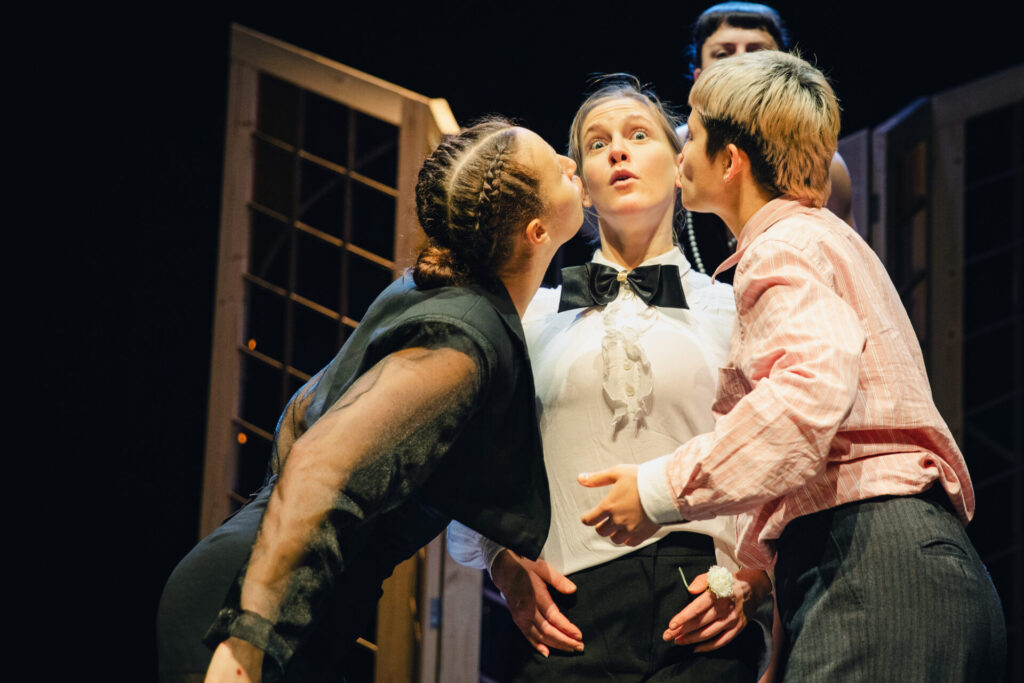
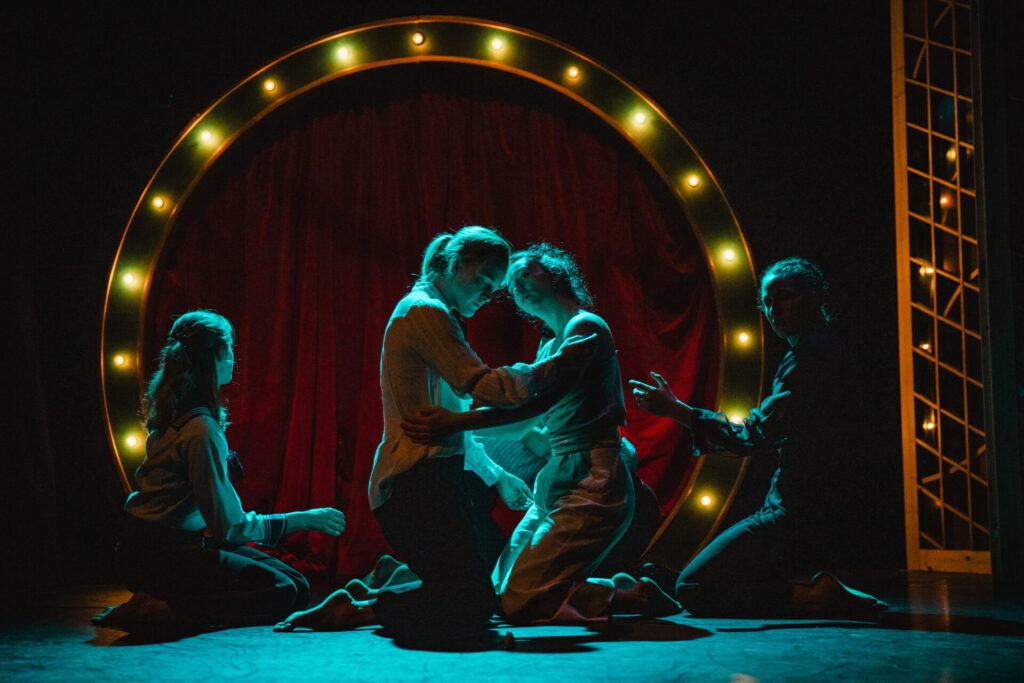
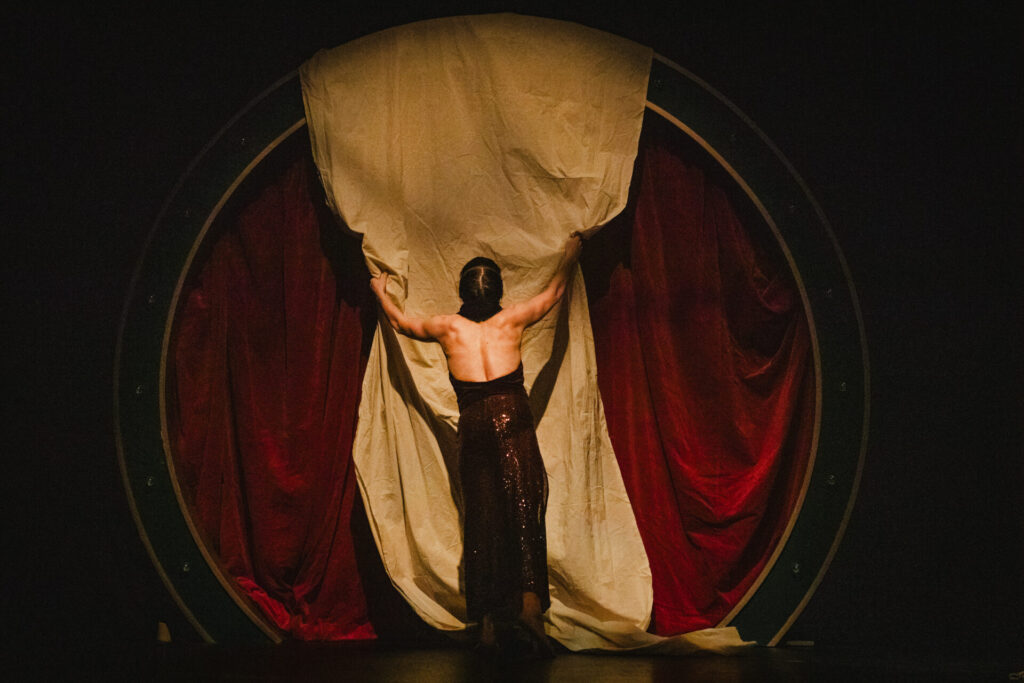
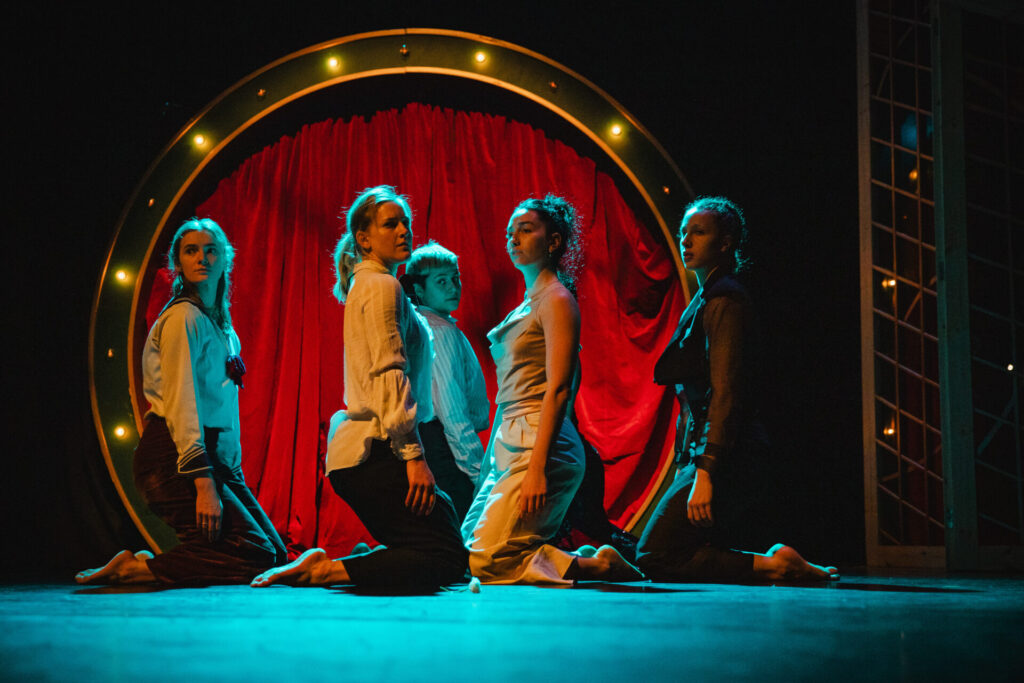
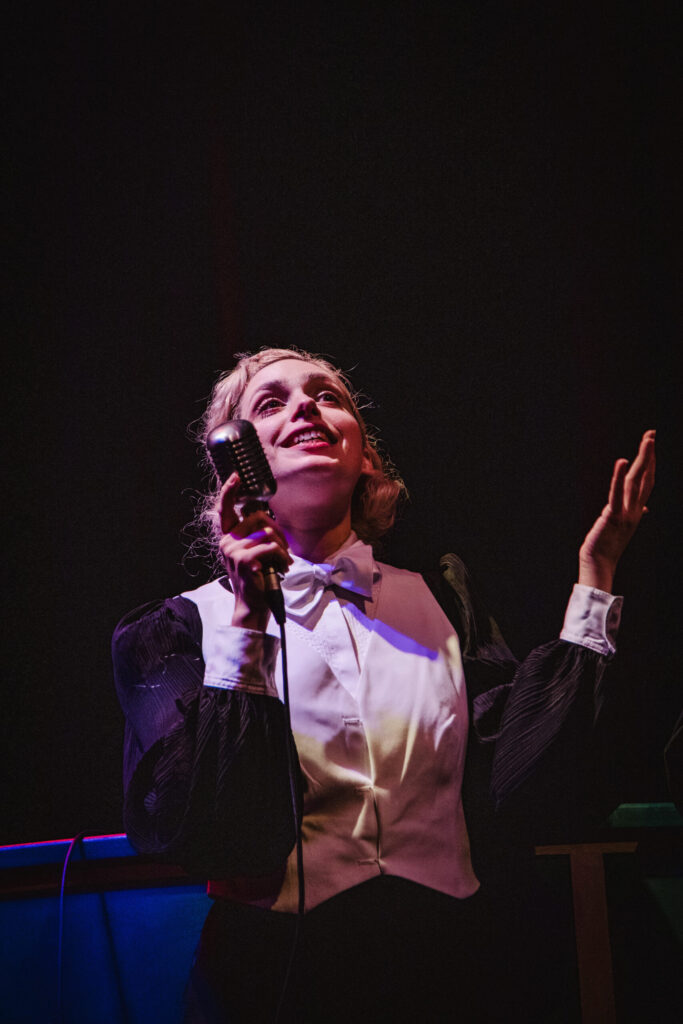
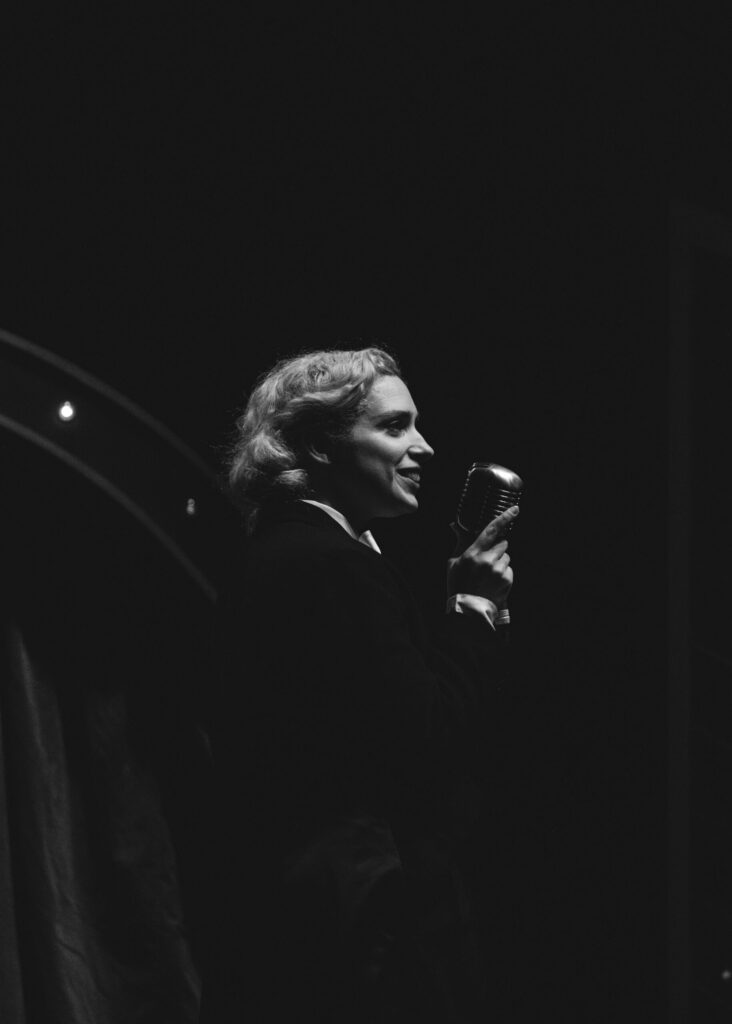
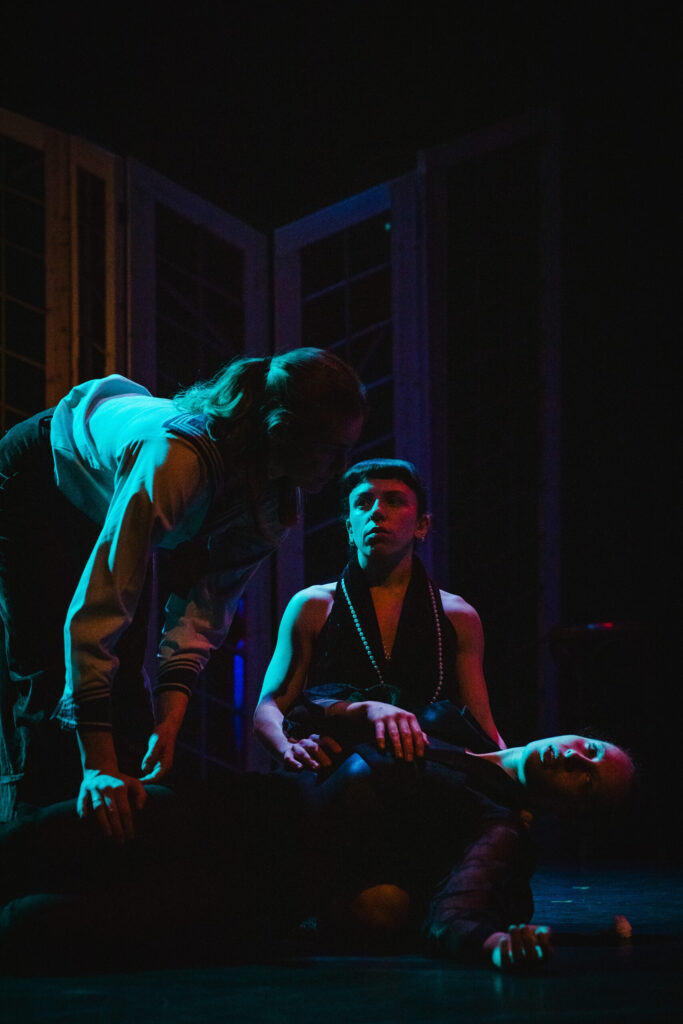
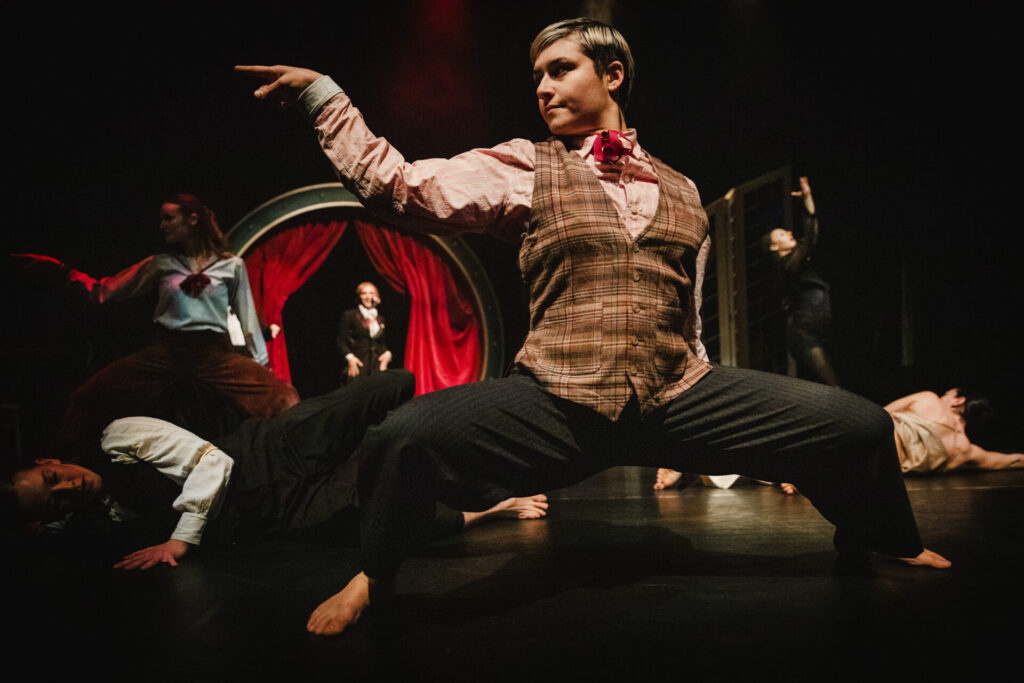
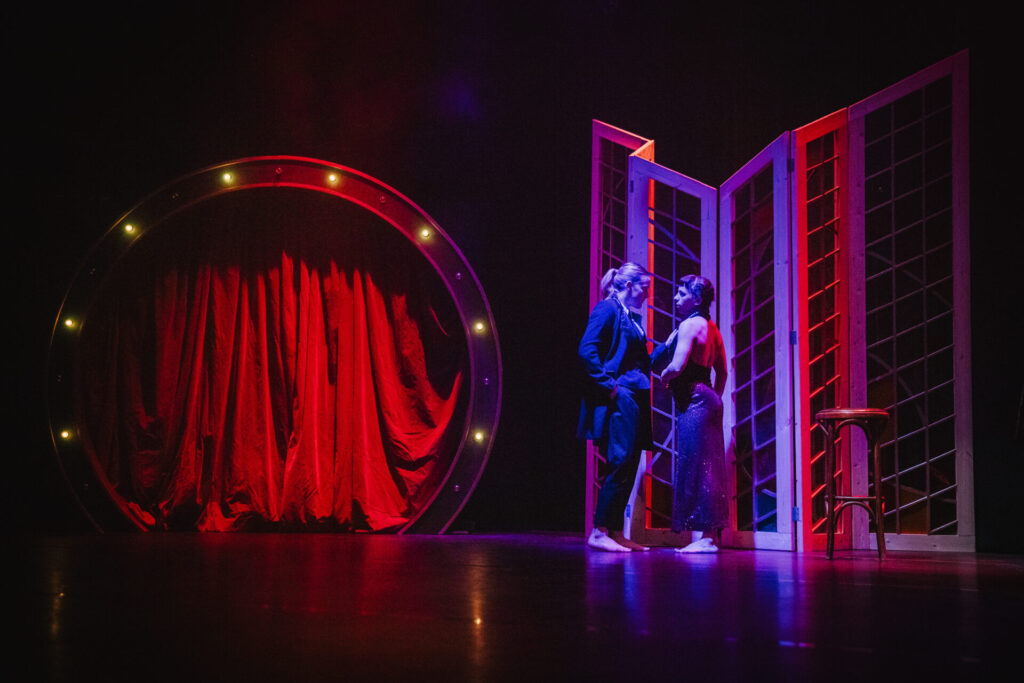
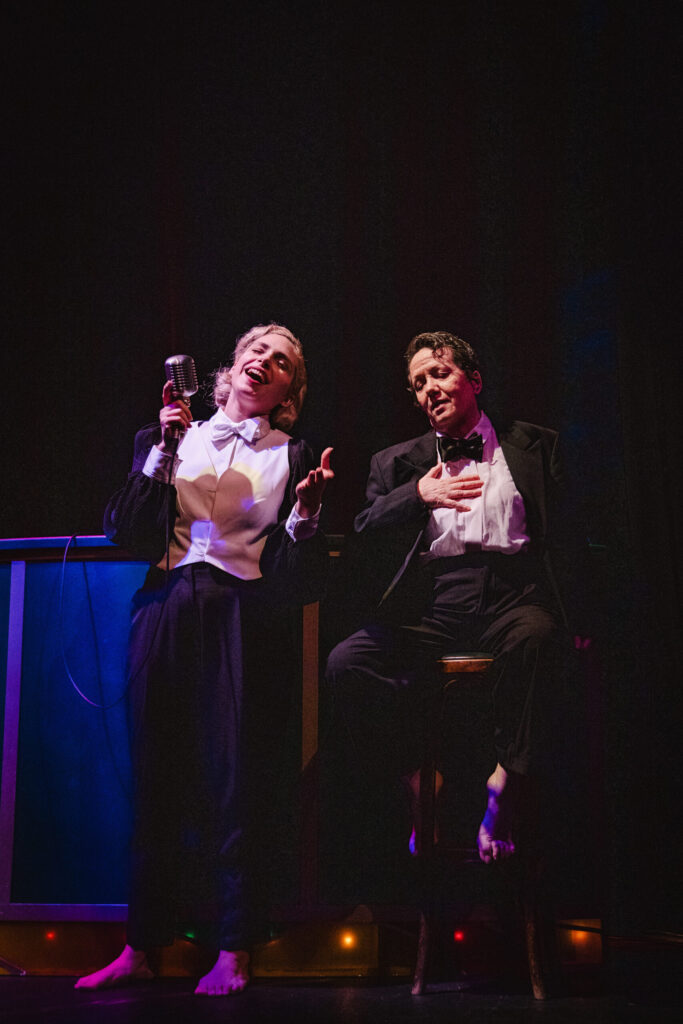
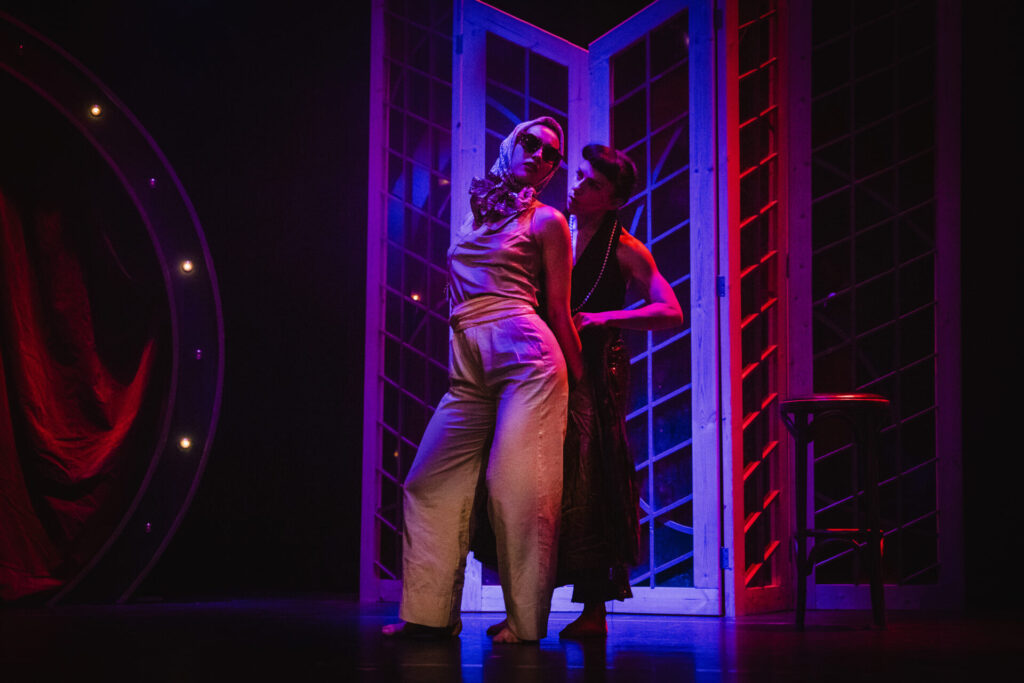
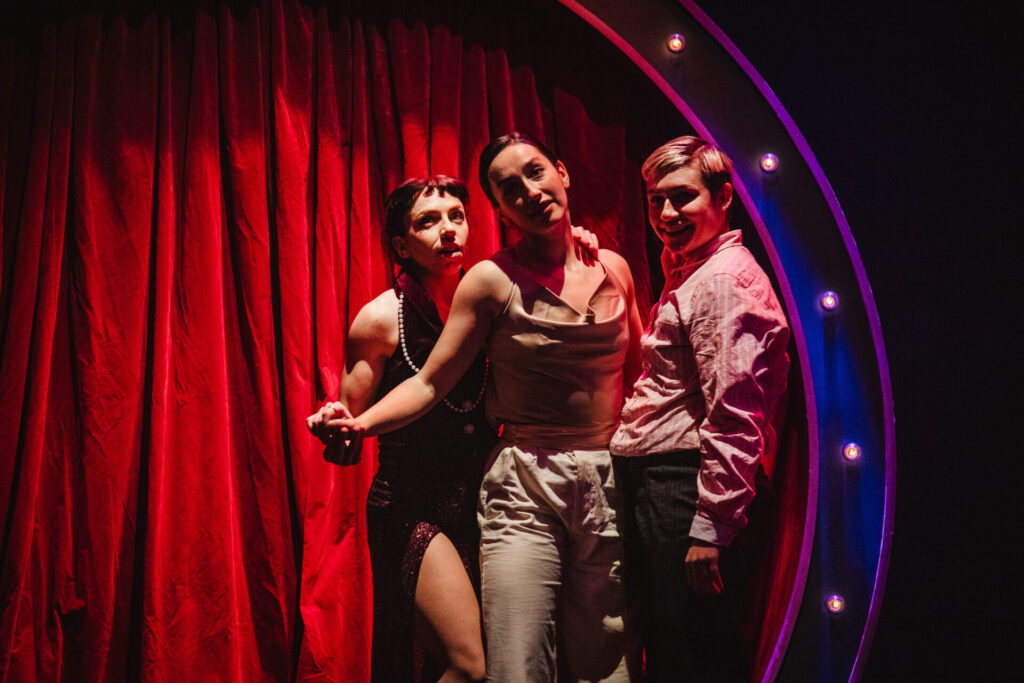
Welcome to The Monocle… where nothing is impossible…This dance production choreographed by award-winning choreographer Mathieu Geffré, reveals and celebrates the long-forgotten pioneering history of Le Monocle, the legendary 1930s Paris nightclub where glamorous lesbians dined, danced, sang and socialised without fear of persecution within its plush, secret walls. Featuring a smouldering, versatile cast of seven, including the celebrated early jazz singer Imogen Banks, this compelling work of dance, music and song will return to Wilton’s Music Hall on the 15th and 16th of May 2026.
“Breathtaking” ★★★★★ Attitude Magazine – Jamie Tabberer
“Mathieu offers us a gift here: the opportunity to see for ourselves what it looks like to be free in a safe space” Helen Redfern – NARC Magazine
“It is an experience that I will cherish for a long time.” Peter Sampel – tanznetz.de
“Atmospheric and intense as immaculate storytelling combines with sublime, sinuous dance, The Monocle is stunning.” ★★★★★ Rosie Sharman-Ward – Pink Prince Theatre Review
Featuring: Alyssa Lisle, Caroline Ryan, Coralie Calfond, Imogen Banks, Mutyat Anibaba, Natassa Argyropoulou, Ruth Howard, Zara Phillips.
Choreographer: Mathieu Geffré
Associate Director / Dramaturg: Andrew Gardiner
Composer: James Keane
Set and Costume Design: Helen Hébert and Nate Gibson
This performance is BSL interpreted and available in Audio Description

Video Not Found
PARIS, ‘LE MONOCLE’ – some history:
The famous Parisian author, journalist, actress and mime artist Colette (1873-1954) wrote in the 1930s: “Parisian life is abuzz with an intoxicating energy; it’s an era where the air is filled with the spirit of liberation and artistic fervour.”
Following the aftermath of World War I, the city became a hub of artistic, literary, and intellectual innovation: those years became known as Les Années Folles, or “The Roaring Twenties”.
Fuelled by a spirit of liberation, Paris witnessed an explosion of creativity. Montparnasse and Montmartre became thriving neighbourhoods for artists and writers, attracting iconic figures such as Henri Miller, Pablo Picasso, F. Scott Fitzgerald, Man Ray…
Jazz music, flapper fashion, and a burgeoning nightlife scene defined this era, as societal norms were challenged and redefined. Les Années Folles in Paris remains a symbol of a time when the city was at the forefront of cultural dynamism and experimentation.
Montmartre, located in the northern part of Paris was associated with the avant-garde and the birth of modern art. Its bohemian charm attracted painters, circus artists, burlesque dancers, and a vibrant gay & lesbian community. Montparnasse, situated in the southern part of the city, became a gathering place for expatriate artists and housed numerous cafes, studios, and literary salons where artists like Ernest Hemingway, James Joyce, and Jean Cocteau converged.
In the throes of Paris’s economic downturn following the 1929 stock market crash, as poverty cast its shadow over the city, the opening of Le Monocle by Lulu de Montparnasse in 1932 stood as a remarkable continuation of Les Années Folles spirit.
Located at the 60 boulevard Edgar Quinet, it was a sanctuary for the lesbian community, providing refuge and solidarity during challenging times. The club became a symbol of resilience, celebrating diversity and fostering a sense of belonging.
Colette keenly observed this phenomenon, noting that women would frequently adopt the distinctive look of “often affecting a monocle and a white carnation in the buttonhole.”
Le Monocle thrived as a renowned nightclub, hosting a distinguished clientele that included some of the most celebrated artists of the 1930s. Anaïs Nin, Marlene Dietrich, and Suzy Solidor frequented the establishment, with cabaret Line Marsa – whose daughter, Edith Piaf, later became France’s greatest, globally renowned singer – often gracing the stage. The exclusivity of Le Monocle extended to a select few men, with the exceptional presence of individuals like Henry Miller and the famous Hungarian/French photographer, Brassaï, who captured the club through the lens, providing the only existing images of this iconic venue.
However, with the rise of fascism looming over Western Europe and the German occupation of Paris during World War II, Le Monocle was forced to close.
Q&A with Mathieu Geffré
Artistic Director, Rendez-Vous Dance
Choreographer and Director of ‘THE MONOCLE’
- How/when did you first hear about Le Monocle?
MATHIEU GEFFRE: One of my ongoing curiosities in life is understanding my roots as a member of the LGBTQIA+ community. I’m fascinated by the incredible research being done by historians and by new voices on social media, like @mdamenana, who are uncovering hidden stories from the past. In 2021, while reading The History of Homosexuality by Florence Tamagne, I first discovered The Monocle. A pretty surprising story considering the fact that I had lived in Paris for 8 years and I didn’t know about this space.
After creating What Songs May Do…—an intimate, raw piece exploring the traditional form of the love duet through a queer lens—I wanted to shift the focus and bring audiences into spaces of celebration and joy. This intention was also about challenging conventional perceptions of contemporary dance and exploring the intersection of cabaret and contemporary dance as a way to reach new audiences.
I am very aware of the privilege that comes with being a white, gay, cis man within the LGBTQIA+ community, and I wanted to step outside that perspective to invite new conversations and better understand the breadth of experiences that have forged the multicoloured tapestry of our community.
The Brassaï photographs of Le Monocle became a way in for me, showing that a man could indeed capture the essence of this extraordinary space for the lesbian community in Paris. When developing a work, I also consider its universal and contemporary resonance, and in this case, it felt essential to acknowledge the disappearance of lesbian safe spaces in public life.
- And what inspired you to make a show about it?
MATHIEU GEFFRE: As a gay boy growing up in the French countryside, coming of age was a vulnerable path. But that began to shift when I started my dance studies at the Conservatoire National Supérieur de Musique et de Danse de Paris in 2001. For the first time, I felt I belonged: a space of safe exploration was being presented to me where I could finally grow as the man I secretly aspired to become.
Paris was a territory of fear, extravagance, and adventures. I emancipated myself in Le Marais, where I witnessed love lived unapologetically, drag artists fabulously striding through the streets and communities welcoming me into a freedom I hadn’t thought possible.
I’m passionate about LGBTQIA+ history and my French heritage, with a boundless curiosity that drives me to uncover the stories often left out of history books. When I learned about The Monocle, a lesbian bar that mysteriously closed in June 1941 during the Nazi occupation, I couldn’t separate it from more recent tragedies. The Monocle’s story felt urgent, a necessary testimony about safe spaces — and the risks we still face.
The act to make this work is also a way for me to underline the importance of my role as a queer artist and part of a wider community which can only celebrate itself for its diversity and inclusivity values. I am proud to belong to this community.
- How did you go about making the idea into a dance/music production?
MATHIEU GEFFRE: Some artists say the story picks you and when it happens to you, you KNOW it, the making of the work becomes an urgency. That’s exactly how it felt when I stumbled across the story of The Monocle. The process of making the work was informed by many factors; I found inspiration in important texts: Frede by Denis Cosnard, Natalie Clifford Barney’s New Thoughts of the Amazon, Tropic of Cancer by Henry Miller, The Secret Paris of the 30’s by Brassai and others.
I resisted the urge to “edit” history in favour of celebrating authenticity. Conversations with experts and friends who carry lived experience enriched our work. The Monocle allows us to reflect on our shared contemporary story and addresses our social construct with a universal resonance.
- Did you have doubts about making the work?
MATHIEU GEFFRE: I did indeed! Especially when it comes to tell a lesbian story. I often asked myself: Do I have the right to tell this story? Is this cultural theft? Will I be doing more harm than good? I’ve never cared so deeply about getting something right as we did this story. By making The Monocle my intention has always been to celebrate and give visibility therefore I needed to take a role of message carrier whilst resisting the editorial temptation. I now feel a better man because I educated myself about lesbian history, listened to their stories, and engaged in conversations to create in depth understanding. The Monocle was a unique opportunity to foster an environment where love transcends differences, creating a space where everyone feels seen, valued, and embraced.
- How did you cast the show?
MATHIEU GEFFRE: At Rendez-Vous Dance, our mission is to be a space of visibility for queer voices within our industry. This responds to a real need for inclusivity and for enabling performers to tell authentic stories on stage.
For much of my own career—as a performer for 15 years—I often found myself dancing within heteronormative narratives and dynamics. As much as this realisation opened my eyes to the narrow range of narratives often presented to audiences, it also made me deeply aware of how vital it is to create work, and cast performers, in ways that allow them to explore and express genuinely diverse and authentic perspectives.
When casting The Monocle, I looked for performers who could meet the technical demands of the work while also bringing curiosity, playfulness, and emotional authenticity. Auditions and workshops helped identify dancers who could navigate the intersection of contemporary dance and cabaret, and who were eager to engage with the history, joy, and intimacy the piece celebrates. There was also an intention to embody or at least find inspiration in real life patrons of The Monocle.
Whilst making this production, it was essential to create an environment where performers could explore their own perspectives and contribute to the shared narrative. Ultimately, the cast emerged as a group whose talents, personalities, and commitment to the work aligned perfectly with the vision of The Monocle.
- Who is your audience and what do you think audiences particularly love about it?
MATHIEU GEFFRE: The beauty of The Monocle, from the moment we began touring it, is how effortlessly it has welcomed such a broad and diverse audience. While the show offers a strong sense of entertainment, it also carries an educational and quietly political weight, particularly in drawing attention to the disappearance of safe spaces within our community.
One of the most moving parts of the tour has been meeting members of the lesbian community who shared how deeply the work resonated with them, how it reconnected them with a space, an atmosphere, and a sense of belonging that no longer exists. The most meaningful compliment I’ve received was: “If I didn’t know you made this show, I would have thought it was created by a lesbian!” That sentiment stays with me.
Audiences come to The Monocle for many reasons: some are drawn to the highly physical, virtuosic dance; others are enticed by the cabaret influences; and many are simply curious about the world and history the work explores. For me, what matters most is the resonance and relevance of the message. Ultimately, this is a show for everyone. It’s entertaining, informative, political, a little bit sarcastic, but above all, it is a joyful celebration of identity.
- Why did you decide to have a BSL interpreter as a permanent member of the cast?
MATHIEU GEFFRE: I feel incredibly fortunate to collaborate with Caroline Ryan as our BSL interpreter. Caroline is a highly respected interpreter in the North East and has firmly established herself within the performing arts industry. When the idea of integrating BSL into The Monocle emerged, it was essential to me that Caroline became a full patron of the club, that she existed within the world of the piece rather than beside it.
Because the show centres on a discreet, intimate, and confidential space, it felt completely wrong to imagine BSL sitting externally to the action. Caroline stepped into the challenge with immense curiosity, and together we developed her character with the same depth, rigour, and inventiveness as every other performer in the cast. She doesn’t simply interpret words; she interprets rhythm, tone, and atmosphere, bringing a full performative presence to the stage.
Caroline brings a dynamic energy to the stage, interacting seamlessly with the other performers and enriching the spirit of the club. Her presence also ensures the work is accessible and immersive, creating a shared experience that resonates with all audiences.
Before being our BSL interpreter, Caroline is a character, an integral inhabitant of The Monocle, and her artistry, personality, and collaboration profoundly enhance the storytelling for everyone.
- Tell us about working with/alongside music composer James Keane
MATHIEU GEFFRE: I first met James Keane when I was performing in Theo Clinkard’s “This Bright Field”, and I was immediately drawn to his approach to sound and his curiosity in adapting his skills to the specific needs of each production. When we first began discussing The Monocle, we immersed ourselves in research around the musical world of that space (French traditional chanson, jazz, and cabaret) but we also explored ways of twisting and playing with time as a matter.
The aim of the work was never to create a historical reconstruction; rather, the music became a reference point for reflecting on our contemporary world. James experimented with mixing and distorting time to create an almost intemporal soundscape, one that felt like an immersive memory that audiences could step into and inhabit.
Then came the writing of the songs, which was both fun and challenging. We knew what role each song needed to play within the production, but we also needed them to progress the narrative while maintaining that distinctive French flair. It was important that the audience stayed connected to the meaning, so balancing playfulness, storytelling, and musicality was key.
As my first collaboration with a composer, I felt extremely fortunate to work alongside someone who could be both fully present and highly responsive in the creative process. Collaborations of this depth are rare nowadays, but they are absolutely essential for creating a production that feels alive, unique, and fully realised.
- And a few lines about the style of the show – set and costumes in particular
MATHIEU GEFFRE: The set and costumes for The Monocle were designed by Helen Hebert and Nate Gibson. With only a handful of archival images, primarily Brassaï’s iconic photographs, we set out to recreate the club with both rigor and imagination. The set is a careful homage, a miniature replica that evokes the legendary space while allowing it to exist in dialogue with our contemporary production.
For the costumes, we drew inspiration from the diversity of lesbian fashion codes, intertwined with the elegance and sophistication of 1930s Parisian style. There was a conscious editorial approach: honoring historical references while maintaining a contemporary sensibility that echoes the music’s playful manipulation of time. Most of the costumes were sourced from charity shops, as were many set elements, reflecting our commitment to working in a circular, sustainable way in collaboration with Marla King.
The Monocle was never a Montmartre club with its bohemian frenzy; located in Montparnasse, it celebrated refinement, taste, and understated glamour. The costumes and set together capture that spirit, while subtle, playful details, like the iconic monocle itself, anchor the work in its historical and cultural context. The overall effect is immersive: audiences step into a space where elegance, celebration, and queer history coexist, fully alive for the contemporary moment.
This production has been thoughtfully designed to offer meaningful and high-quality access for audiences.
British Sign Language is performed live by Caroline Ryan, who is fully integrated into the choreography as a performer within the work. Rather than being an add-on, BSL is woven into the artistic fabric of the piece, representing best practice in inclusive dance-theatre and offering a rich experience for Deaf and hearing audiences alike.
Audio Description is also available and can be accessed via the company’s website HERE, where audiences can download both the audio files and a written transcript. Patrons using Audio Description are guided by clear verbal cues from a performer onstage at the start of the show and again after the interval, indicating when to press play. Audience members wishing to use Audio Description will need to bring their own mobile device and headphones.
Tickets & Times
| Fri 15 May | 7:30 pm |
BSLAD
|
{{spektrix_instance_id_321548AVQQTBKTPGGPBJCGCVBSKDNTPGP_status}} | |
| Sat 16 May | 2:30 pm |
BSLAD
|
{{spektrix_instance_id_321948ASHGHMNKCVNRBJDMMSKSJKMJLST_status}} | |
| Sat 16 May | 7:30 pm |
BSLAD
|
{{spektrix_instance_id_321748ARGJMDBGJSCHQMRPVGLTJRGLCJH_status}} |
GROUP BOOKING
Wilton’s offers group booking rates for 10 people or more. Please contact the Box Office by either phoning 020 7702 2789 or clicking the button below to email the Box Office!
SEND AN EMAIL NOWDates, Times & Book
Wilton’s Music Hall
You May Also Like…